
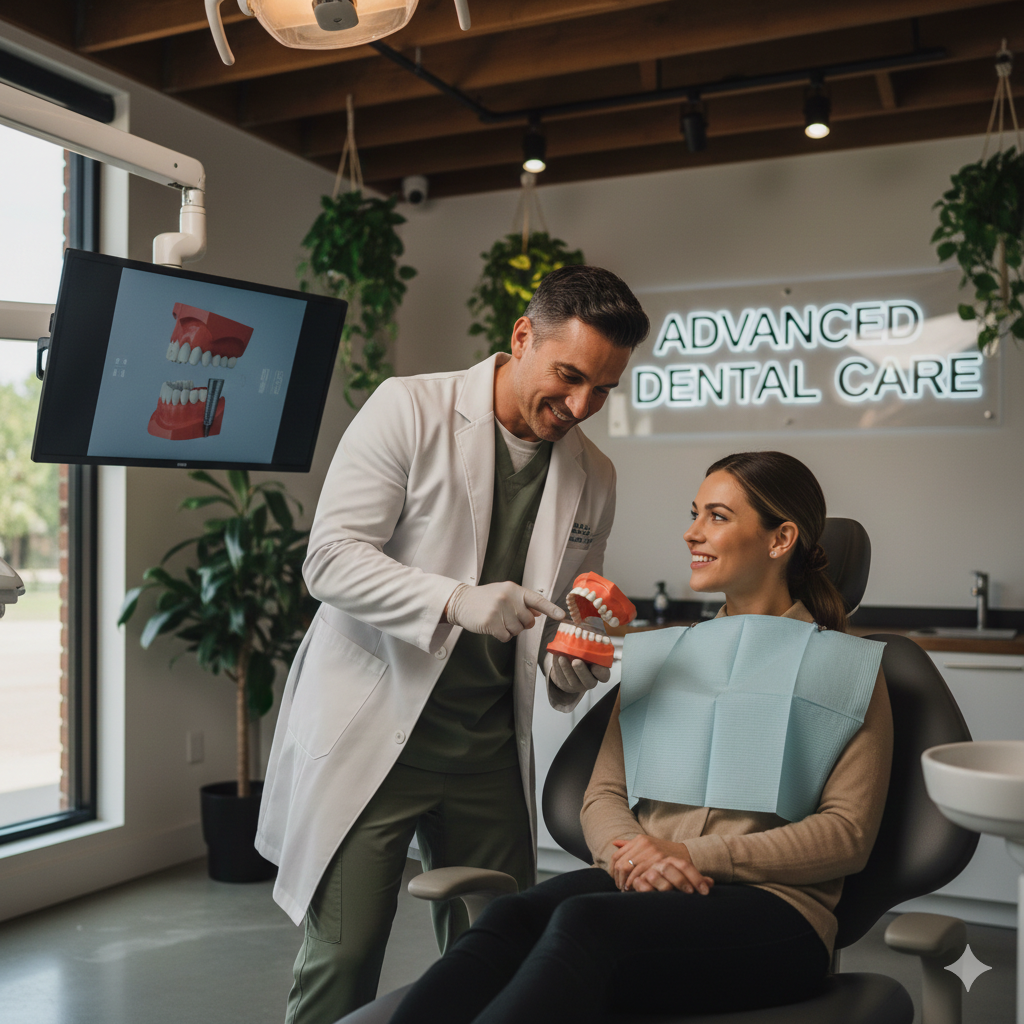
Walking into a general dentistry consultation can feel uncertain, especially when you’re not sure what to ask. The right questions help make sense of treatment options, costs, and prevention strategies, turning a routine visit into a clear plan for a healthier smile. Knowing what to ask during a dental consultation helps every patient make informed decisions and build confidence in their oral care.
A consultation isn’t just about the dentist doing the talking. It’s a chance for patients to discuss goals, understand procedures, and learn what’s best for their specific needs. By being prepared with thoughtful questions, they take an active role in protecting their long-term dental health.
From understanding treatment timelines to exploring preventive care, preparation makes each visit more effective and less stressful. With the right approach, anyone can turn a simple appointment into the first step toward lasting oral wellness.
Key Takeaways
- General dentistry consultations strengthen confidence and understanding of oral health
- Asking focused questions improves communication and care planning
- Preparation ensures better treatment decisions and lasting results
Why General Dentistry Consultations Matter

Regular dental consultations give people the knowledge and guidance needed to maintain healthy teeth and gums. Dentists use these visits to prevent problems, spot early signs of disease, and create an atmosphere where patients feel at ease discussing their oral health.
Preventive Dental Care Benefits
Preventive care keeps small dental concerns from becoming painful or costly issues later. During a consultation, dentists check for plaque buildup, gum inflammation, and early enamel wear. This allows them to design a personal care plan that includes professional cleanings, fluoride treatments, and tailored home care tips.
They also discuss everyday habits that affect oral health. For example, patients who drink coffee frequently may receive advice on minimizing staining or enamel damage. Preventive guidance like this helps individuals preserve natural teeth longer and avoid extensive procedures.
A dental consultation acts as a checkpoint for long‑term wellness. It gives patients an opportunity to adjust routines early and reduce the likelihood of problems such as gum disease or cavities.
Early Detection of Oral Health Issues
Routine consultations allow dentists to detect signs of decay, infection, or other abnormalities before they cause discomfort. Using digital X‑rays, intraoral cameras, and thorough visual exams, dentists can identify hidden problems that may not be visible or painful yet.
Catching an issue early often means simpler treatment. For example, a small cavity may only need a filling, while untreated decay might later require a crown or root canal. Early identification also extends to gum disease, oral cancer, and bite misalignments—all conditions that have better outcomes when found promptly.
By maintaining a schedule of regular checkups, patients gain peace of mind knowing that any change in their oral health is reviewed quickly and accurately. These visits protect both the smile and overall health.
Building Trust With Your Dentist
A strong dentist‑patient relationship improves communication and comfort. When individuals feel safe asking questions and expressing fears, dental visits become less stressful. This trust also allows dentists to give honest advice that fits each person’s goals, preferences, and budget.
Many patients appreciate when their dentist explains procedures step by step or uses visual aids to clarify treatment options. Transparency creates a sense of partnership rather than obligation.
This open dialogue encourages patients to stay consistent with care and reach out when problems arise. Over time, the relationship builds confidence that the dentist truly understands their needs, making every consultation more productive and reassuring.
Preparing for Your Consultation

Good preparation helps patients feel confident and ensures their dentist has the information needed to give the best advice and care. Bringing the right documents, sharing accurate medical details, and planning thoughtful questions make the appointment more productive and comfortable.
What to Bring to Your Appointment
A few simple items can make a dental consultation smoother and more effective. Patients should bring a valid ID, insurance card, and any recent dental records or X-rays. If these records aren’t available, the dental office can often request them on the patient’s behalf.
Having a complete list of current medications and known allergies is essential. Dentists need this information before recommending treatment. A small list of daily oral care habits, such as brushing frequency or mouthwash use, can also help identify patterns affecting the patient’s dental health.
A folder or digital document stored on a phone helps keep everything organized. This preparation not only saves time but also helps avoid missed details during discussion.
How to Share Your Dental History
Accurate dental history allows a dentist to assess long-term oral health and detect potential concerns early. Patients should clearly describe any past dental procedures, such as fillings, crowns, or extractions, and include the approximate dates if possible.
It’s helpful to mention any history of gum disease, tooth sensitivity, or jaw pain. These details guide the dentist in creating a personalized care plan. Patients who have avoided dental visits due to anxiety should share that openly; most clinics offer comfort options like extra time, calming techniques, or sedation if appropriate.
For convenience, using a short table can clarify key details:
| Type of Information | Example |
|---|---|
| Past Procedures | Root canal, 2019 |
| Current Concerns | Occasional bleeding gums |
| Medical Notes | Diabetes, taking metformin |
Questions to Think About Beforehand
Preparing a few questions encourages clear communication and helps patients feel engaged in their own care. Useful topics include treatment options, prevention strategies, and expected timeframes for any procedures. Asking questions such as “What’s the best way to maintain healthy gums?” or “Are there new treatments for tooth sensitivity?” ensures that advice fits the patient’s needs.
It also helps to ask about costs, insurance coverage, and follow-up visits to avoid surprises. Writing questions in a notebook or phone note before the appointment keeps the discussion focused and complete.
By staying organized and curious, patients make their dental consultations both efficient and reassuring — and leave the chair understanding their next steps toward a healthier smile.
Essential Questions to Ask Your Dentist
Patients gain the most from dental visits when they ask specific, practical questions about daily care, causes of discomfort, and treatment options. By understanding these areas, they can make informed choices that improve oral health and prevent future problems.
Discussing Daily Oral Hygiene
Routine habits shape overall dental health. Patients should ask their dentist for personalized tips on brushing techniques, flossing frequency, and the best type of toothbrush or toothpaste for their unique needs. Many people unknowingly brush too hard or miss areas between teeth, leading to enamel wear or gum irritation.
A helpful starting point is to ask:
- “Am I brushing and flossing correctly for my gum and tooth condition?”
- “What type of dental products are best for me—manual, electric, fluoride, or sensitive formulas?”
Dentists often demonstrate proper brushing motions or recommend specific tools such as interdental brushes. These small adjustments make a big difference in plaque control and gum health. Patients who learn the correct technique tend to see fewer cavities and less bleeding when they brush.
For those with braces, implants, or bridges, customized care routines prevent buildup around harder-to-reach areas. Clear, simple demonstrations encourage consistency at home and reduce future dental issues.
Addressing Tooth Sensitivity or Pain
When discomfort appears, it signals a change that should be discussed promptly. Sensitive teeth can result from receding gums, worn enamel, or untreated decay. Asking detailed questions helps the dentist identify the cause and recommend the right solution.
Essential questions include:
- “What’s likely causing my sensitivity—gum exposure, enamel erosion, or another issue?”
- “Should I adjust my brushing habits or use a desensitizing toothpaste?”
Dentists may test problem areas using temperature checks or x-rays. They can explain whether sensitivity requires treatment such as fluoride varnish, bonding, or a night guard for grinding. Patients who understand what triggers discomfort can make small lifestyle changes—like lowering acidic food intake or switching products—that provide lasting relief.
Understanding Recommended Treatments
When a dentist suggests a procedure, it’s important to understand why it’s needed and what alternatives exist. Patients should ask their dentist to explain the purpose, process, and outcome of each recommendation clearly.
Key questions include:
- “What happens if I delay or skip this treatment?”
- “Are there alternative procedures or materials available?”
- “How long will recovery take, and what should I expect afterward?”
Dentists appreciate informed patients and often use diagrams or models to illustrate options. Knowing the expected cost, number of visits, and aftercare instructions helps patients plan confidently.
Reliable communication builds trust and reduces anxiety. Patients who feel comfortable asking for clarification are more likely to follow through successfully with treatments and maintain long-term oral health. They leave knowing exactly what their smile needs and why it matters—and that makes every visit worthwhile.
Exploring Treatment Options and Costs
Understanding available dental treatments and their costs helps patients make confident choices about their oral health. Dental care usually involves preventive services that protect existing teeth and restorative options that repair or replace damaged ones. Knowing how insurance works and what payment plans are available can make these decisions less stressful and more affordable.
Preventive vs. Restorative Procedures
Preventive dentistry focuses on keeping teeth and gums healthy before problems occur. These services include routine cleanings, exams, fluoride applications, and sealants, which help prevent decay and gum disease. Preventive visits are typically lower in cost and recommended every six months.
Restorative dentistry addresses issues after they appear. It includes fillings, crowns, root canals, bridges, and implants that repair or replace damaged teeth. Restorative procedures generally cost more and may require multiple visits, but they preserve normal function and prevent further complications.
| Type of Service | Purpose | Typical Frequency | Approx. Cost Range (USD)* |
|---|---|---|---|
| Cleaning & Exam | Preventive | Every 6 months | $75–$200 |
| Filling | Restorative | As needed | $100–$300 |
| Crown | Restorative | As needed | $800–$1,500 |
| *Costs vary by location and materials used. |
A balanced approach combining preventive and restorative care saves money long-term by reducing the need for extensive treatment.
Dental Insurance Considerations
Dental insurance generally covers preventive care more fully than restorative services. Most plans classify cleanings and checkups as 100% covered, while fillings or crowns often fall under partial coverage, leaving the patient responsible for a percentage of the cost.
Patients should review coverage levels, annual maximums, and waiting periods before scheduling treatments. In some cases, spreading procedures across plan years helps maximize benefits.
It also helps to confirm whether the dental practice is in-network with the insurer. In-network treatments often cost less because of negotiated rates, while out-of-network services might involve higher fees. Discussing these details with a dental office staff member reduces billing surprises later.
Cost Transparency and Payment Plans
Modern dental offices emphasize transparent pricing to promote trust and clarity. Patients can request written treatment estimates that list the procedure, expected fees, insurance contributions, and any remaining out-of-pocket costs. Reviewing this information before treatment helps manage expectations.
Many clinics also offer flexible payment options to spread costs over time. Common choices include in-house payment arrangements, third-party financing programs, or healthcare credit accounts.
Patients planning major dental work benefit from discussing timelines and billing stages in advance. Clear communication ensures financial comfort and allows them to proceed with treatment at their own pace with confidence.
Building a Long-Term Plan for Dental Health
Maintaining lasting oral health requires thoughtful planning that adapts to each person’s needs. A well-structured plan focuses on proactive prevention, regular professional oversight, and consistent communication between patient and dentist.
Customizing Preventive Care
Each patient’s preventive plan should reflect their unique oral health risks, habits, and lifestyle. Dentists begin by reviewing the individual’s medical and dental history, including diet, medications, and past treatments. This helps identify potential issues such as enamel erosion, gum sensitivity, or a higher risk of decay.
Preventive care often includes professional cleanings, fluoride applications, and sealants for cavity protection. At-home recommendations might cover brushing technique, flossing frequency, and the use of specific products like mouth rinses or interdental brushes. Patients who smoke or have dry mouth may receive tailored guidance to reduce the impact of those conditions.
Some practices use a checklist to clarify key topics during consultations:
| Focus Area | Example Recommendation |
|---|---|
| Home hygiene | Brush twice daily with fluoride toothpaste |
| Diet habits | Limit sugary snacks and acidic beverages |
| Dental tools | Use an electric brush or water flosser for deeper cleaning |
| Risk factors | Schedule more frequent exams if prone to gum disease |
This personalized approach helps prevent small issues from turning into complicated treatments later. When patients understand the reasoning behind their preventive plan, they’re more likely to stay consistent and confident with their routine.
Setting Recall or Follow-Up Visits
A structured schedule of recall visits lets dentists monitor progress and identify changes before they become problems. For most adults, visits every six months work well, but patients with periodontal concerns or orthodontic appliances might need to return every three to four months.
During these visits, clinicians track gum health, check existing restorations, and review hygiene habits. Comparing findings from earlier exams gives clear insight into what’s improving or requires extra attention. Digital records and photos make it easier to show patients visible progress or early signs of concern.
Dentists may adjust intervals based on life stages—such as pregnancy, illness, or medication use—that affect oral health. Consistent follow-up builds familiarity and trust, helping patients feel comfortable discussing any discomfort or uncertainty. Those open conversations guide next steps, from simple care adjustments to updating treatment goals. Regular recall visits form the backbone of reliable, long-term dental wellness.
Frequently Asked Questions
Patients often want clear answers about what happens during a dental visit, how often they need check-ups, and how to keep their mouth healthy between appointments. They also look for practical details about treatment options, cleaning types, and warning signs that signal when it’s time to call the dentist.
What should I expect during my first general dentistry visit?
A first visit usually includes a complete dental exam, X-rays if needed, and a professional cleaning. The dentist reviews medical history, checks for cavities, gum health, and bite alignment.
They take time to explain any findings and answer all questions about oral care habits or treatment options. This step-by-step approach helps patients feel comfortable and informed before leaving the office.
How often should I really be scheduling dental check-ups?
Most dentists recommend visiting every six months for a cleaning and exam. However, patients with gum disease, recurring cavities, or orthodontic appliances may need more frequent visits.
Regular appointments allow early detection of issues before they become painful or costly to treat.
What are some signs that I might need dental treatment?
Persistent tooth pain, bleeding gums, chronic bad breath, or tooth sensitivity often indicate underlying dental problems. Visible discoloration, chips, or swelling around a tooth also deserve attention.
Even mild discomfort that comes and goes shouldn’t be ignored—early evaluation prevents more serious issues later.
Can you explain the types of cleaning procedures available during a dental visit?
Routine cleanings, also called prophylaxis, remove plaque and tartar above the gumline. For patients with deeper buildup, a scaling and root planing (deep cleaning) treatment cleans below the gums to prevent or manage gum disease.
Each type of cleaning is matched to the patient’s current oral health condition and helps keep gums healthy between visits.
How do I maintain my oral health between dental visits?
Daily brushing with fluoride toothpaste, flossing once a day, and limiting sugary snacks play the biggest roles in prevention. Rinsing with mouthwash and staying hydrated supports gum health and fresh breath.
They should also replace toothbrushes every three months and keep a consistent routine morning and night.
What are the common treatment options for tooth decay and cavities?
Dentists often treat early decay with dental fillings made of composite or amalgam materials. In more advanced cases, they may recommend crowns to restore strength and shape.
If decay reaches the inner pulp, a root canal can save the tooth and prevent extraction. Patients unsure about pain, sensitivity, or visible spots should schedule an exam for proper diagnosis and treatment planning.